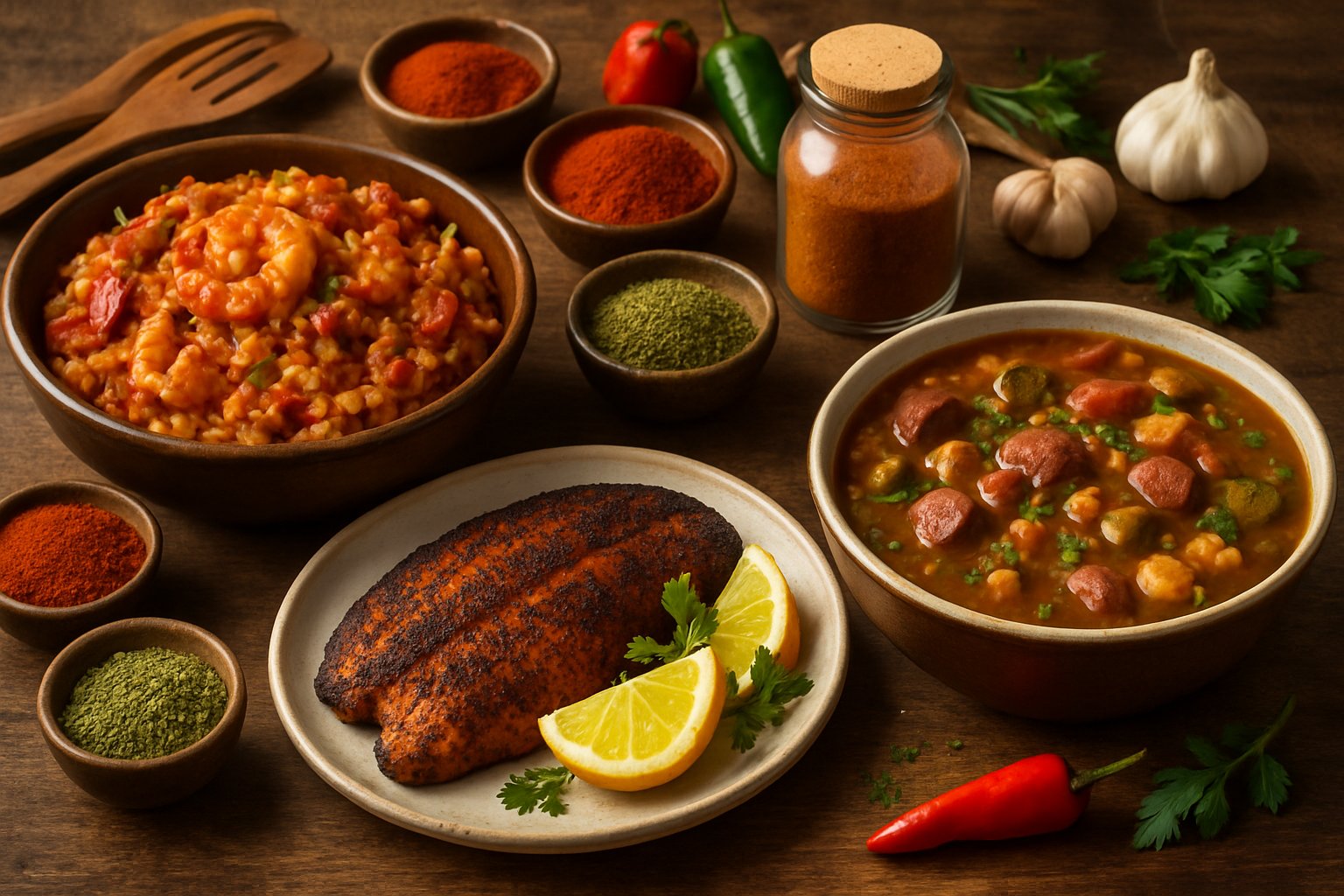
The Bold Flavor of Louisiana: Your DIY Cajun Seasoning Guide
There's an undeniable magic to the flavors of Louisiana. From the bustling streets of New Orleans to the tranquil bayous, the cuisine is a vibrant tapestry woven with history, culture, and an unwavering passion for bold, unforgettable taste. At the heart of much of this culinary tradition lies cajun seasoning – a rustic, fiery, and deeply aromatic spice blend that transforms ordinary dishes into extraordinary experiences.
While a quick trip to the grocery store might offer a few pre-mixed options, anyone who truly appreciates authentic flavor knows that homemade reigns supreme. Store-bought blends often fall short, overloaded with salt and lacking the nuanced depth that truly defines Cajun cooking. They can be bland, filled with anti-caking agents, and surprisingly low on the real, fresh kick you crave. That’s why crafting your own homemade Cajun seasoning isn't just a culinary endeavor; it's a journey into flavor control, customization, and ultimately, a more delicious kitchen.
When you mix your own cajun spice blend, you unlock the power to control the heat, balance the herbs, and skip unnecessary fillers. The result is a deeper, smokier, and more vibrant taste that will quickly become a staple in your everyday cooking. This guide will walk you through everything you need to know to create your very own authentic Louisiana-inspired blend, ensuring your dishes sing with the true spirit of Cajun country.
The Essence of Cajun Flavor: Why DIY Reigns Supreme
To truly appreciate cajun seasoning, it’s vital to understand its rich heritage. Originating from the unique cultural melting pot of Louisiana, this seasoning is a testament to the diverse influences that shaped the region's cuisine. Imagine a blend of culinary traditions from Native American, West African, Caribbean, and French cooking – each contributing a distinctive layer to create something truly unique and incredibly tasty. This convergence of cultures gives Cajun food its distinctive character, characterized by warm heat, smoky depth, and a savory backbone.
This intricate balance is often lost in mass-produced versions. Many store-bought blends prioritize shelf stability and cost-effectiveness over authentic flavor. They might skimp on premium spices, use excessive salt as a primary flavoring agent, or include fillers that dilute the true essence. By making your own, you reclaim that authenticity. You decide on the quality of your ingredients, ensuring maximum freshness and potency. You control the amount of salt – a significant health and flavor advantage, allowing the true spice profiles to shine through. For more insights on this, read our dedicated article: Homemade Cajun Seasoning: Ditch the Salt, Boost the Flavor.
Beyond authenticity, the ability to customize is a game-changer. Do you love a fiery kick that makes your tongue tingle? Or do you prefer a more mellow warmth with an emphasis on earthy herbs? With DIY cajun seasoning, you can dial in the precise blend that perfectly suits your palate, making it incredibly flexible and truly your own.
Unpacking the Ingredients: The Soul of Your Cajun Blend
Crafting the perfect cajun seasoning is all about selecting the right spices and understanding their individual contributions. Each ingredient plays a crucial role in building the complex, layered flavor profile we associate with Louisiana cuisine. Let's break down the essential components:
- Hot Paprika or Cayenne Pepper: This is where the signature heat of your cajun spice blend comes from. Both hot paprika (often Hungarian) and cayenne pepper deliver a bold, spicy kick. They are largely interchangeable, so use whichever you have on hand or prefer. Cayenne tends to be a bit more direct in its heat, while hot paprika can offer a touch more smokiness depending on the variety.
- Sweet Paprika: To balance the fiery intensity of its hot counterpart, sweet paprika is essential. It's mild, not spicy at all, and brings a beautiful red color, a subtle sweetness, and a hint of fruity undertones. It adds depth and roundness to the blend, preventing it from being just a one-note heat bomb.
- Chili Powder: This ingredient adds an extra layer of complexity and savory interest. We highly recommend seeking out New Mexico chili powder if you can find it (often in the international aisle or Mexican markets), as it offers a rich, earthy flavor without overwhelming heat. If not, a standard non-spicy chili powder will work perfectly to make the blend taste more intriguing and well-rounded.
- Dried Thyme: A common and beloved herb in Cajun cuisine, dried thyme contributes an earthy, slightly minty, and distinctly savory note. It grounds the spice blend with an aromatic presence that is unmistakably authentic and provides a fresh counterpoint to the warmer spices.
- Sugar: You might be surprised to see sugar in a savory spice blend, but it's a secret weapon for creating that "over-the-top delicious" factor. A touch of sugar helps to balance the heat, rounds out the sharp edges of the spices, and enhances the overall flavor. Furthermore, it plays a fantastic role in blackening meats and fish, aiding in the development of that desirable caramelized, crusty sear.
- Fine Sea Salt: Like sugar, salt is crucial for balancing flavors and making the blend sing. Using a fine sea salt ensures it dissolves evenly and distributes its seasoning power throughout your dishes. The beauty of DIY is that you control the sodium levels, ensuring your blend is perfectly seasoned without being overly salty.
When shopping for these spices, remember that quality matters. Fresher spices will yield a more potent and flavorful blend. While you don't need specific brands, looking for vibrant colors and distinct aromas is a good indicator of freshness.
Crafting Your Custom Cajun Seasoning: The Perfect Ratios
After much testing and refinement, a winning formula (affectionately dubbed "Cajun seasoning No. 4" in one culinary exploration) has emerged that offers a superb balance of heat, sweetness, earthiness, and savory depth. The beauty of this approach lies in using "parts," allowing you to scale your recipe up or down based on your needs.
Here are the ratios for your ultimate cajun spice blend:
- 1 part hot paprika or cayenne pepper
- 2 parts sweet paprika (not spicy)
- 2 parts chili powder (New Mexico or standard, non-spicy chili powder)
- 1 part dried thyme
- 3 parts sugar
- 2 parts fine sea salt
How to measure "parts": A "part" can be any unit of measurement you choose – a teaspoon, a tablespoon, or even a cup if you're making a large batch. For example, if you want to make about 3 tablespoons of seasoning, a "part" would be approximately 1 teaspoon. So, you'd use 1 tsp hot paprika, 2 tsp sweet paprika, 2 tsp chili powder, 1 tsp dried thyme, 3 tsp sugar, and 2 tsp fine sea salt.
To assemble your blend, simply whisk all the spices together in a small bowl until thoroughly combined. This ensures an even distribution of flavor in every pinch. Once mixed, store your DIY Cajun seasoning in an airtight container in a cool, dark place. A spice jar or a small mason jar works perfectly. Properly stored, your homemade blend will retain its peak flavor for several months, typically 3-6 months, though it can last longer.
Don't be afraid to experiment with these ratios once you've tried the baseline. Love more heat? Increase the hot paprika. Prefer it less sweet? Dial back the sugar. This "parts" system empowers you to become the master of your own Cajun flavor. To truly understand how to tweak and personalize your blend, delve into Master Authentic Cajun Seasoning Ratios at Home.
Beyond the Blend: Creative Ways to Use Your Cajun Masterpiece
Your freshly made cajun seasoning isn't just a pantry item; it's a flavor powerhouse waiting to ignite your culinary creativity. Think of it as a bold, all-purpose seasoning that can elevate nearly any dish. The vibrant, earthy, and smoky flavor, coupled with the subtle sweetness from the sugar, makes it incredibly versatile. Here are just a few ideas to get you started:
- Meats & Poultry: Rub it generously on chicken, pork, or beef before grilling, roasting, or pan-searing. It’s fantastic on pork chops, chicken thighs, or even as a simple steak rub. The sugar in the blend helps create a beautiful crust.
- Seafood Sensation: This blend is a match made in heaven for seafood. Use it to season shrimp (perfect for Cajun shrimp, poached shrimp, or shrimp salad), fish fillets (especially for blackening), scallops, or even in a classic seafood boil.
- Vegetable & Side Dish Star: Sprinkle it on roasted vegetables like potatoes, carrots, broccoli, or bell peppers. It's phenomenal on grilled corn on the cob (especially when mixed into Cajun butter!). Add a pinch to your roasted sweet potatoes or sprinkle over French fries for a zesty kick.
- Eggs & Breakfast: Elevate your scrambled eggs, omelets, or even avocado toast with a dash of Cajun seasoning for a spicy morning twist.
- Soups, Stews & Gumbo: While traditional gumbo and jambalaya recipes have their own intricate spice profiles, a spoonful of your homemade Cajun seasoning can serve as an excellent flavorful base or a quick flavor boost to many savory dishes.
- Cajun Butter: Soften a stick of unsalted butter and mix in 1-2 tablespoons of your seasoning. Use this compound butter to baste grilled meats, toss with steamed vegetables, or spread on crusty bread.
- Marinades & Dressings: Whisk it into olive oil, vinegar, and a squeeze of lemon juice for a vibrant marinade or a spicy salad dressing.
- Unexpected Delights: Try it on popcorn, sprinkle it over homemade chips, or even add a hint to your favorite meatloaf recipe for an unexpected layer of flavor.
The possibilities are truly endless. Don't be afraid to experiment and discover your own favorite ways to incorporate this dynamic flavor into your daily cooking.
Storage and Shelf Life: Keeping Your Cajun Kick Fresh
To ensure your homemade Cajun seasoning maintains its potency and vibrant flavor, proper storage is key. Always store your spice blend in an airtight container away from direct sunlight, heat, and moisture. A cool, dark pantry or cabinet is ideal. Glass jars with tight-fitting lids are excellent choices as they don't absorb odors and keep the spices fresh.
While dried spices don't spoil in the traditional sense, they do lose their flavor and aroma over time. Generally, your homemade blend will be at its peak for about 3-6 months. You'll notice it losing its vibrancy when the color dulls and the aroma becomes faint. A simple sniff test is often the best indicator – if it no longer smells potent and inviting, it's likely time to mix up a fresh batch.
By making your own cajun seasoning, you're not just creating a blend of spices; you're bringing the heart and soul of Louisiana into your kitchen. You're gaining control over ingredients, enhancing freshness, and unlocking a world of bold, authentic flavors that will transform your cooking. So go ahead, gather your spices, embrace the spirit of Cajun cuisine, and prepare to embark on a delicious adventure!
