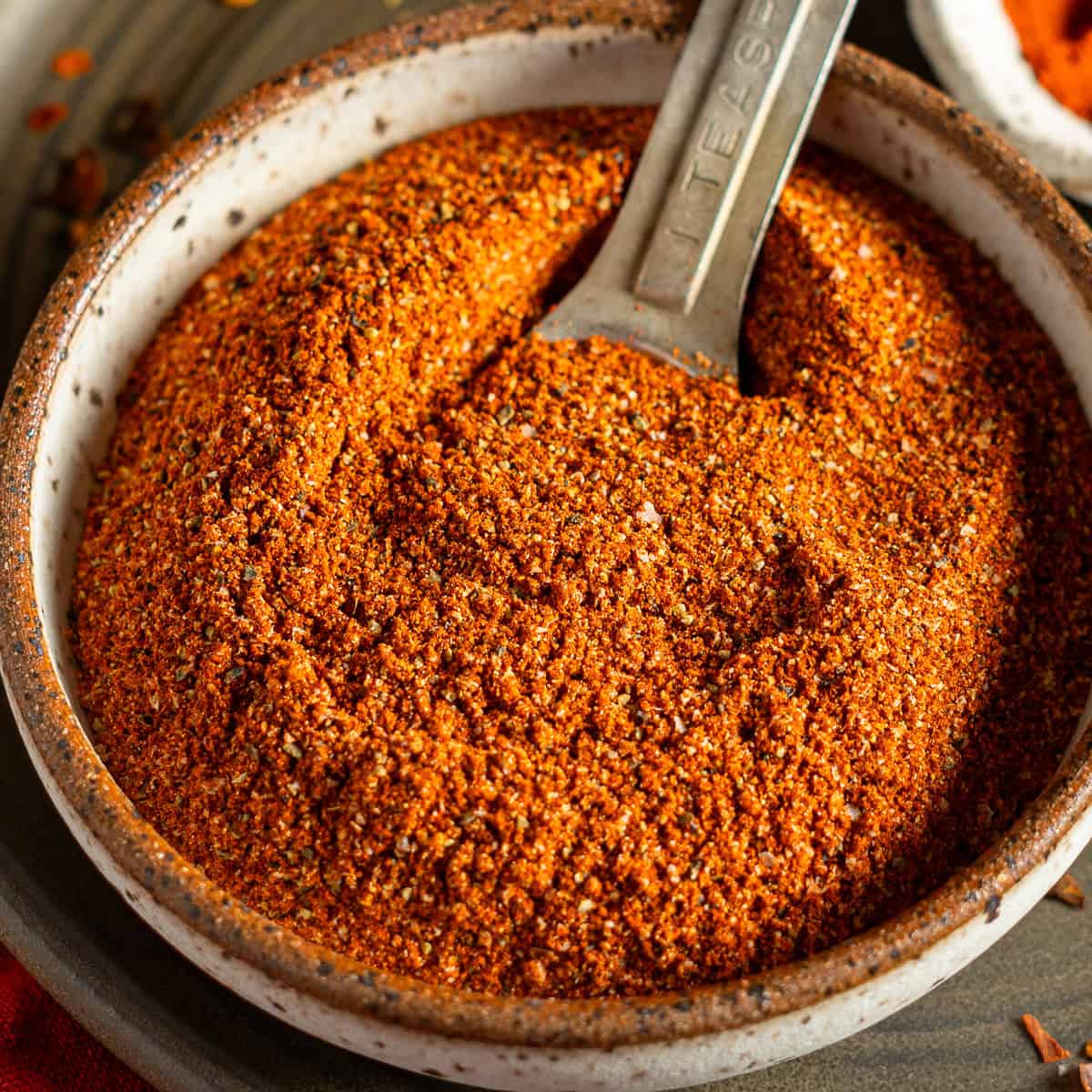
Tired of reaching for that store-bought spice blend only to find it's more salt than soul? You're not alone. Many commercial seasonings prioritize cheap fillers and sodium over vibrant, authentic flavor. But what if you could unlock the true potential of one of the culinary world's most exciting profiles right in your own kitchen? Welcome to the transformative power of homemade cajun seasoning: a blend designed to help you ditch the salt and dramatically boost the flavor in every dish.
This isn't just about mixing a few spices; it's about reclaiming control over your ingredients, tailoring the heat to your preference, and experiencing the rich, complex tapestry of Louisiana's iconic cuisine. Once you embark on the journey of crafting your own The Bold Flavor of Louisiana: Your DIY Cajun Seasoning Guide, you'll wonder how you ever settled for anything less.
The Soul of Cajun Cuisine: What Makes This Blend Unique?
To truly appreciate homemade cajun seasoning, it helps to understand its roots. This distinctive spice blend hails from the heart of Louisiana, a region celebrated for its robust and hearty cooking. Cajun cuisine itself is a magnificent tapestry woven from various cultural threads: Native American, West African, Caribbean, and French influences all converge to create something utterly unique and profoundly delicious. This heritage is precisely why Cajun seasoning stands out.
Unlike milder, more generic spice mixes, authentic cajun seasoning is characterized by its bold, rustic, and profoundly herb-forward profile. It delivers a signature warmth and heat, often balanced with a smoky depth and an undeniable savory backbone. Key to its intensity are ingredients like paprika, cayenne, and often garlic and onion powder, which work in harmony to build layers of flavor that simply can't be replicated by a dash of plain salt and pepper. It’s the foundational flavor base for legendary dishes like hearty gumbos, savory jambalayas, and succulent seafood boils, proving its versatility and indispensable role in Southern kitchens.
Why Homemade is Always Better
The beauty of making your own cajun seasoning lies in the unparalleled control it offers. You decide the quality of your spices, the precise level of heat, and most importantly, the amount of sodium. Store-bought versions often contain excessive salt, which dulls the natural vibrancy of the spices and can be detrimental to health for those monitoring sodium intake. By crafting your own, you're not just making a spice blend; you're creating a customizable flavor powerhouse that truly shines.
Crafting Your Signature Cajun Seasoning: The Essential Ingredients
The magic of a great cajun seasoning blend comes down to a careful selection and balance of core spices. Each component plays a vital role in building the complex flavor profile. Our preferred blend, affectionately known as "Cajun Seasoning No. 4" after multiple test batches, hits all the right notes for bold, balanced flavor. Here's a breakdown of the key players:
- Hot Paprika or Cayenne Pepper: This is where the heat lives! Whether you opt for Hungarian hot paprika or cayenne pepper, these spices provide the characteristic kick that defines Cajun cuisine. They are largely interchangeable, so use whichever you have on hand or prefer for its specific nuances. For those new to homemade blends, start with a moderate amount and adjust upwards if you desire more fiery intensity.
- Sweet Paprika: To perfectly balance the heat from its fiery cousin, sweet paprika steps in. It's mild, offering a subtle hint of fruitiness and a beautiful red hue without adding any extra spice. Its role is crucial in rounding out the flavor profile, adding depth and a touch of sweetness that prevents the blend from being one-dimensional.
- Chili Powder (New Mexico or Standard, Non-Spicy): This ingredient adds another layer of intriguing flavor and complexity. New Mexico chili powder, often found in the international aisle or Mexican markets, brings a distinct earthy, slightly sweet and smoky note. If unavailable, a standard non-spicy chili powder will work just fine, contributing a savory richness that makes the blend more interesting.
- Dried Thyme: A quintessential herb in Cajun cooking, dried thyme infuses the blend with an earthy, slightly minty, and deeply savory aroma. Its presence is vital for achieving an authentic Cajun taste, grounding the fiery and sweet notes with its herbal depth.
- Sugar: While it might seem counterintuitive for a savory blend, a touch of sugar is a secret weapon in cajun seasoning. It doesn't make the blend overtly sweet but instead balances the heat, enhances other flavors, and contributes to that desirable caramelization or "blackening" effect when searing meats and fish.
- Fine Sea Salt: Salt is a crucial flavor enhancer, but the beauty of homemade is that you control the amount. By starting with less salt in your blend than commercial varieties, you can season dishes to your exact preference without over-salting. We recommend fine sea salt for its even distribution and clean taste. This direct control over sodium content is at the core of our "Ditch the Salt, Boost the Flavor" philosophy.
Optional Flavor Boosters
Beyond the core ingredients, you can personalize your cajun seasoning with additional spices. Consider adding a touch of garlic powder, onion powder, or black pepper for extra aromatic depth. A pinch of dried oregano can also complement the thyme beautifully, adding another layer of traditional herbiness.
Mastering the Ratios: Your Path to Perfect Homemade Cajun Seasoning
Creating your own cajun seasoning is incredibly simple once you understand the ingredient ratios. This allows you to scale the recipe up or down depending on your needs, whether you're making a small batch for immediate use or a larger quantity to keep on hand. Our carefully tested "Cajun Seasoning No. 4" boasts a winning balance, and here are the ratios:
- 1 part hot paprika or cayenne pepper
- 2 parts sweet paprika
- 2 parts chili powder (New Mexico or standard, non-spicy)
- 1 part dried thyme
- 3 parts sugar
- 2 parts fine sea salt
The beauty of "parts" is its flexibility. A "part" could be a teaspoon, a tablespoon, or even a cup – whatever unit of measurement suits the quantity you wish to make. To prepare your blend, simply whisk all the spices together thoroughly until they are uniformly combined. Store your homemade cajun seasoning in an airtight container in a cool, dark place to maintain its potency for several months. For more detailed guidance on achieving the perfect balance, explore Master Authentic Cajun Seasoning Ratios at Home.
Customization Tips for Your Unique Blend
Remember, this is your kitchen, your flavor. Don't be afraid to experiment:
- Adjust the Heat: Love a fiery kick? Increase the hot paprika or cayenne. Prefer it milder? Dial it back.
- Control the Salt: If your primary goal is to minimize sodium, start with half the recommended salt and add more to individual dishes as you cook. This allows you to season aggressively for flavor without over-salting.
- Sweetness Factor: The sugar helps with balance and blackening. If you're not planning to blacken meats or prefer less sweetness, you can slightly reduce the sugar.
- Herb Preference: For a more pronounced herbal note, increase the dried thyme or experiment with a touch of oregano.
Beyond the Bottle: Creative Ways to Use Your Homemade Blend
Once you've crafted your perfect batch of cajun seasoning, prepare to elevate nearly every meal. This isn't just for classic Cajun dishes; it's a versatile, all-purpose seasoning that adds vibrant, earthy, and smoky flavor to a wide array of ingredients. Here are just a few ideas to get you started:
- Meats & Poultry: Use it as a dry rub for chicken, pork, or beef before grilling, roasting, or pan-searing. The sugar in the blend is particularly excellent for achieving that coveted "blackened" crust on chicken or fish.
- Seafood Sensation: It's a match made in heaven for shrimp, fish, and even scallops. Sprinkle generously before sautéing, grilling, or baking. Try making Cajun shrimp for a quick, flavorful weeknight meal.
- Roasted Vegetables: Transform ordinary veggies like corn on the cob, potatoes, bell peppers, or zucchini into flavorful side dishes. Toss with olive oil and a generous amount of seasoning before roasting.
- Cajun Butter: Melt butter and stir in a spoonful of your homemade blend. This flavorful compound butter is incredible on grilled corn, slathered over seafood, or spread on warm crusty bread.
- Flavor Base: Incorporate it into soups, stews, and sauces as a foundational flavor layer. It’s perfect for adding depth to beans or rice dishes.
- Everyday Elevators: Sprinkle a dash into scrambled eggs, sprinkle over popcorn, or mix into dips and spreads for an unexpected kick. It can even liven up a classic meatloaf or chicken salad!
Your homemade cajun seasoning will quickly become a front-and-center staple in your spice rack, ready to infuse every dish with bold, authentic flavor. For more inspiration and recipes, make sure to check out The Bold Flavor of Louisiana: Your DIY Cajun Seasoning Guide.
Embracing homemade cajun seasoning is more than just a culinary choice; it's a commitment to superior flavor, health-conscious cooking, and an adventurous palate. By taking control of your ingredients, you unlock a world of vibrant tastes, transforming everyday meals into extraordinary culinary experiences. So go ahead, gather your spices, ditch the salt-laden store-bought blends, and let the rich, bold flavors of Louisiana inspire your next kitchen creation. Your taste buds, and your health, will thank you.
